Everything You Need to Know
From first-time travellers to Japan veterans, our comprehensive guide covers every aspect of a successful trip.
Visa Information
Japan has visa-free agreements with over 60 countries. Citizens of the US, UK, EU, Australia, Canada and many others can enter for 90 days without a visa. Always confirm the latest requirements with your local Japanese embassy.
Visa-Free Countries (Common)
- United States, Canada — 90 days
- United Kingdom, EU nations — 90 days
- Australia, New Zealand — 90 days
- South Korea — 90 days
- Singapore, Hong Kong — 90 days
Visa Required
- China, India — tourist visa required
- Apply 2–6 weeks before departure
- Documents: passport, itinerary, funds proof
Best Times to Visit
Japan is a year-round destination, each season offering a uniquely beautiful experience.
Cherry Blossom (Sakura)
Late March to early April. The most popular time — book at least 6 months ahead.
Autumn Foliage (Koyo)
Mid-October to November. Red and gold leaves across mountains and temples.
Avoid Golden Week
Late April to early May — Japan's busiest domestic travel week. Prices spike and trains fill up fast.
What to Pack
Essentials
- Passport + photocopies stored separately
- Cash — Japan is still largely cash-heavy
- IC card (Suica/Pasmo) — load in Japan
- International data SIM or pocket Wi-Fi
- Travel insurance documents
Practical Items
- Comfortable slip-on shoes (temples require shoe removal)
- Small towel — many public restrooms lack paper towels
- Umbrella — Japan has frequent rain
- Portable phone charger
- Adapter (Japan uses Type A, 100V)
Optional but Useful
- Google Translate with Japanese offline pack
- Hyperdia or Navitime app for train navigation
- Japan Airlines/Shinkansen JR Pass (buy before arrival)
The JR Pass
The Japan Rail Pass is a special ticket exclusively for foreign tourists that provides unlimited travel on most JR trains — including the Shinkansen bullet trains — for 7, 14, or 21 consecutive days.
Is It Worth It?
- 7-day pass ≈ ¥50,000 — worth it if travelling Tokyo–Kyoto–Osaka
- 14-day pass ≈ ¥80,000 — great for multi-region travel
- Must be purchased outside Japan (or online before arrival)
- Exchange voucher at JR Travel Service Centers
Where It's Valid
- All JR Shinkansen (except Nozomi & Mizuho)
- JR Express & local trains nationwide
- JR buses and some JR ferries
- Tokyo Monorail to Haneda Airport
IC Cards: Suica & Pasmo
IC (Integrated Circuit) cards are rechargeable smart cards used for trains, buses, taxis, and even convenience store purchases across Japan.
Suica
Issued by JR East. Works nationwide. Get it at JR station machines or order in Apple Wallet before you fly.
Pasmo
Tokyo-area card. Interchangeable with Suica. Available at Tokyo Metro stations.
ICOCA
Kansai-region card (Osaka/Kyoto). Works everywhere Suica does.
All IC cards are interoperable nationwide. Choose based on your first destination.
Train Types in Japan
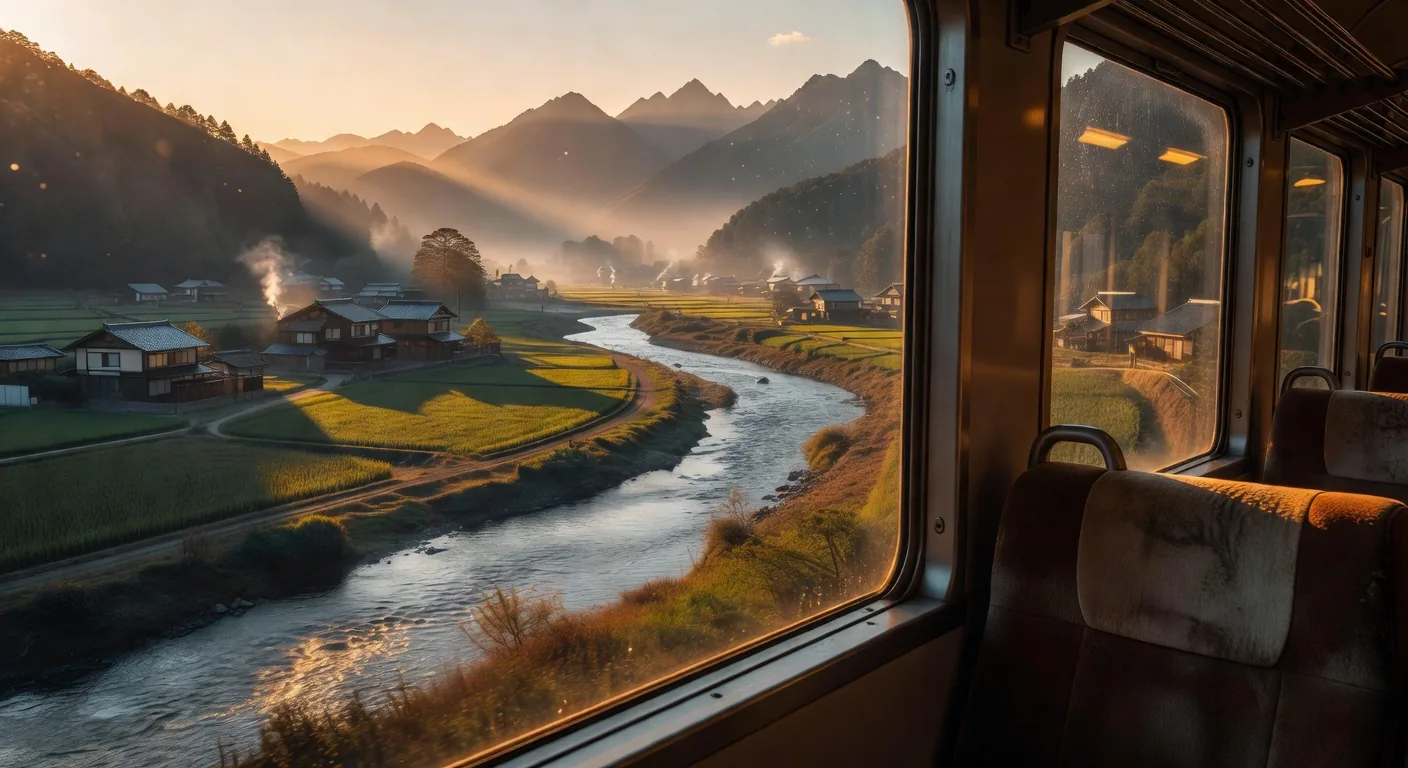
- Shinkansen: Bullet train — 200–320km/h, connects major cities
- Limited Express (Tokkyū): Fast inter-city trains, reserved seats available
- Express (Kyūkō): Fewer stops, good for medium distances
- Rapid (Kaisoku): Skips minor stations, free with JR Pass
- Local (Futsū): Stops everywhere — use for short hops
- Subway: Tokyo Metro / Osaka Metro — not covered by JR Pass
Key Tips
- Board from the correct numbered car/door position
- Quiet carriages — no phone calls
- Priority seats (silver/pink) — always offer to elderly
- Trains run 5am–midnight; last train matters!
Daily Budget Breakdown
Japan suits every budget. Here's what to expect per person per day, excluding international flights and pre-paid passes.
| Category | Budget ¥3,000–8,000/day | Mid-Range ¥8,000–20,000/day | Luxury ¥20,000+/day |
|---|---|---|---|
| Accommodation | Hostel dorm, capsule hotel ¥2,500–4,000 |
Business hotel, guesthouse ¥7,000–14,000 |
Boutique hotel, ryokan ¥20,000–80,000 |
| Food | Convenience stores, ramen ¥1,500–2,500 |
Sit-down restaurants ¥3,000–6,000 |
Kaiseki, sushi omakase ¥10,000–30,000 |
| Transport | IC card local trains ¥500–800 |
JR Pass daily equivalent ¥1,500–3,000 |
Taxis, private transfers ¥5,000+ |
| Activities | Temples, parks (often free) ¥500–1,000 |
Museums, tours ¥2,000–4,000 |
Exclusive experiences ¥8,000+ |
Cash vs Card
Japan remains a predominantly cash-based society, though this is changing rapidly in major cities.
Always Carry Cash
Many restaurants, local shops, shrines, and vending machines are cash-only. ¥10,000–20,000 on hand is recommended daily.
ATMs
7-Eleven, Japan Post, and Aeon ATMs reliably accept foreign cards. Airport ATMs are always a good first stop.
Credit Cards
Visa and Mastercard accepted in department stores, hotels, and larger restaurants. Always have a backup in cash.
🚫 No Tipping in Japan!
Tipping is considered rude in Japan. Excellent service is a matter of professional pride — omotenashi — not something that requires extra payment.
- Never tip at restaurants — staff may run after you to return money
- Don't tip taxi drivers
- Don't tip at hotels (ryokan service charge is included)
- Compliments and a bow are the best thank-you
- Exception: some tour guides from Western companies may accept tips
Remember: Presenting money in an envelope is the traditional way to give gifts (like at weddings/funerals) — but not to service workers.
Essential Japanese Phrases
Japanese people deeply appreciate when visitors make the effort to speak even basic Japanese. Even a simple "arigatou gozaimasu" with a bow goes a long way.
| English | Japanese | Pronunciation |
|---|---|---|
| Hello / Good day | こんにちは Konnichiwa | kon-nee-chee-wah |
| Good morning | おはようございます Ohayō gozaimasu | oh-ha-yoh goh-zai-mas |
| Good evening | こんばんは Konbanwa | kon-ban-wah |
| Thank you very much | ありがとうございます Arigatō gozaimasu | ah-ree-gah-toh goh-zai-mas |
| Excuse me / Sorry | すみません Sumimasen | sue-mee-mah-sen |
| Yes | はい Hai | hi (like "high") |
| No | いいえ Iie | ee-eh |
| Do you understand English? | 英語を話せますか? Eigo wo hanasemasu ka? | eh-go woh ha-na-se-mas ka |
| I don't understand | わかりません Wakarimasen | wah-ka-ree-mah-sen |
| How much does it cost? | いくらですか? Ikura desu ka? | ee-koo-ra des-ka |
| Where is the toilet? | トイレはどこですか? Toire wa doko desu ka? | toy-reh-wah doh-koh des-ka |
| One beer, please | ビールをひとつください Bīru wo hitotsu kudasai | bee-roo woh hee-tot-soo koo-da-sai |
| The bill, please | お会計をお願いします Okaikei wo onegai shimasu | oh-kai-keh woh oh-neh-gai shee-mas |
| Delicious! | おいしい! Oishii! | oh-ee-shee |
| I'm lost / Help me | 迷子になりました Maigo ni narimashita | mai-go nee na-ree-mash-ta |
| Do you have a vegetarian menu? | ベジタリアンメニューはありますか? Bejitarian menyu wa arimasu ka? | veg-eh-ta-ree-an men-yoo wa ah-ree-mas-ka |
| Call an ambulance! | 救急車を呼んでください! Kyūkyūsha wo yonde kudasai! | kyoo-kyoo-sha woh yon-deh koo-da-sai |
Translation Tips
Google Translate Camera
Point your camera at Japanese text for instant translation. Download the Japanese offline pack before you go.
Sign Language
Pointing, smiling, and showing your phone screen goes a surprisingly long way in Japan. Most service staff are very patient.
Learning Scripts
Learning Hiragana (46 characters) takes 2–3 hours and dramatically helps with menus and station names.
Japanese Writing Systems
- Hiragana: 46 phonetic characters — most signs use this
- Katakana: 46 characters for foreign words — pizza = ピザ (piza)
- Kanji: Chinese-derived characters — thousands of them
- Romaji: Romanised Japanese — used on most station signs
Most train stations have English signage. Major cities have English menus available at tourist restaurants. Don't let language worry you — Japan is very foreigner-friendly.
Japan's Safety Record
Japan is consistently ranked as one of the safest countries in the world for travellers, including solo female travellers and families. Violent crime rates are among the lowest globally.
Lost & Found
Japan has an extraordinary lost-and-found culture. Wallets, phones, and bags left on trains are almost always returned. Report losses to the nearest koban (police box).
Natural Disasters
Japan is prone to earthquakes, typhoons, and tsunamis. Download the NHK World or Safety Tips app for alerts. Know your building's evacuation route.
Crowded Trains
Rush hour trains (7–9am, 5–8pm) in Tokyo can be extremely crowded. Women-only carriages exist during peak hours in major cities.
Summer Heat
Japanese summers are intensely hot and humid. Heat stroke is a real risk — stay hydrated, use convenience stores as rest stops, and avoid midday sun.
What to Be Aware Of
- Pickpockets: Rare, but exercise normal care in crowded areas and at festivals
- Scams: Very uncommon, but avoid "English practice" invitations in Shinjuku that lead to overpriced bars
- Drugs: Japan has extremely strict drug laws — even some common cold medications from abroad are illegal
- Prescription medication: Check MHLW Japan's website before bringing medicine
- Tattoos: Many onsen and gyms ban visible tattoos — ask ahead or bring tattoo cover tape
- Carrying knives: Even pocket knives are illegal in Japan without proper reason
Emergency Numbers
Japan Helpline (English, 24/7): 0570-000-911
JNTO Tourist Info: 050-3816-2787
Dos and Don'ts in Japan
✓ Do's
- Bow when greeting — the deeper the bow, the more respectful
- Carry cash for everyday purchases
- Queue patiently — lines are sacred
- Speak quietly in trains and quiet public spaces
- Remove shoes when entering homes and many traditional restaurants
- Sort rubbish properly — bins are labelled
- Use two hands when giving/receiving business cards or gifts
- Say "Itadakimasu" before eating
✗ Don'ts
- Don't eat or drink while walking
- Don't talk on your phone on trains
- Don't put chopsticks upright in rice (funeral rite)
- Don't pass food chopstick to chopstick (another funeral rite)
- Don't litter — carry your trash until you find a bin
- Don't tip — it's considered rude
- Don't ignore silence — quiet time is respected
- Don't enter a tatami room with shoes on
Temple & Shrine Etiquette
- Purify hands at the temizuya (water basin) before entering
- Bow twice, clap twice, bow once at Shinto shrines
- Buddhist temples: bow quietly, no clapping
- Speak softly — these are active religious sites
- Don't touch sacred objects or statues
- Photography is usually fine outdoors; check signs inside
- Dress modestly — cover shoulders and knees at major sites
Onsen Etiquette
- Shower thoroughly before entering the communal bath
- No swimwear — onsen are entered completely unclothed
- Keep your small towel out of the water (fold on head is common)
- No phones or cameras inside the bathing area
- Stay quiet — onsen are places of relaxation
- Don't drain or splash other bathers
Dining Etiquette
Slurping is Acceptable
Slurping noodles is perfectly normal — it shows appreciation for the food and helps cool the noodles!
Chopstick Rules
Never stick chopsticks upright in rice. Never pass food directly from chopstick to chopstick. Rest them on the chopstick holder when not in use.
Pouring Drinks
Pour for others before yourself. Never let someone else's glass sit empty. Both hands when receiving a poured drink.
Saying Grace
Say "Itadakimasu" (I humbly receive) before eating and "Gochisōsama deshita" (Thank you for the meal) after finishing.
Smoking Rules
Japan has strict anti-smoking laws outdoors in many cities. Only smoke in designated areas. Many restaurants are non-smoking.